The Luxury of Staying: How Newmarket Ontario Homeowners Are Designing Homes for Every Stage of Life
The Invisible Staff Series · Timeless Luxury Living
The Luxury of Staying
How Newmarket Ontario homeowners are designing homes for every stage of life
The greatest luxury isn’t always moving into a bigger home. Sometimes it’s creating a home you can continue loving for years to come.
- Newmarket Ontario
- Stonehaven
- Aurora Estates
- York Region

Quick answer
What is aging in place in a luxury home? It means creating a home that supports comfortable, independent living as your needs change. Start by reviewing how you use each level of the house, then look at the bathroom, lighting, stairs and storage. Bring in an architect, designer or occupational therapist where it helps, and compare three paths: renovate, right-size or stay.
Key takeaways
- Future-ready design isn’t only for later in life. It’s worth considering whenever you renovate, purchase or plan.
- Accessible features can be built into beautiful cabinetry, tilework and architecture without feeling institutional.
- The most helpful improvements are often the least noticeable: lighting, handles, storage and flooring.
- Staying, renovating and right-sizing are all valid choices. The right one depends on your life, not a rule.
Have you ever walked through a beautiful home and thought, “I could live here forever”?
I certainly understand that feeling.
There’s something wonderful about a home where every room tells a story. The kitchen where family celebrations happened. The backyard where children once played. The dining room that has welcomed generations of friends and family.
For many homeowners throughout Stonehaven in Newmarket Ontario, Aurora Estates and York Region, their homes represent decades of memories.
But as life changes, something interesting happens. The features we once loved may not always support the way we want to live tomorrow.
A beautiful staircase may eventually feel less convenient. An oversized bathtub may become less practical. And maintaining several levels of living space can require more effort than it once did.
That doesn’t necessarily mean it’s time to move. Sometimes, it means it’s time to rethink how the home works.
One of the greatest luxuries is having the freedom to stay in a home you love.
01 · A new dimension of design
The New Conversation Around Luxury Living
When we think about luxury renovations, we usually picture incredible kitchens, spa-inspired bathrooms, custom cabinetry and architectural details. Those elements certainly have their place.
But I believe we’re beginning to appreciate another dimension of good design: a home that adapts to us.
This concept is often called aging in place, which means creating an environment that supports comfortable and independent living as our needs evolve. The Government of Canada’s Thinking About Aging in Place guide encourages people to plan early and to assess whether their home can meet their changing needs.
According to Statistics Canada, one in five Canadians (20.0%) was aged 65 or older as of July 1, 2026. That’s a significant number of people thinking about their homes, lifestyles and future choices.
For me, though, future-ready design isn’t something we should only consider later in life. It’s worth thinking about whenever we’re renovating, purchasing or planning our next chapter.
The right decisions today can create more flexibility tomorrow.
02 · Layout
The Main-Floor Living Advantage
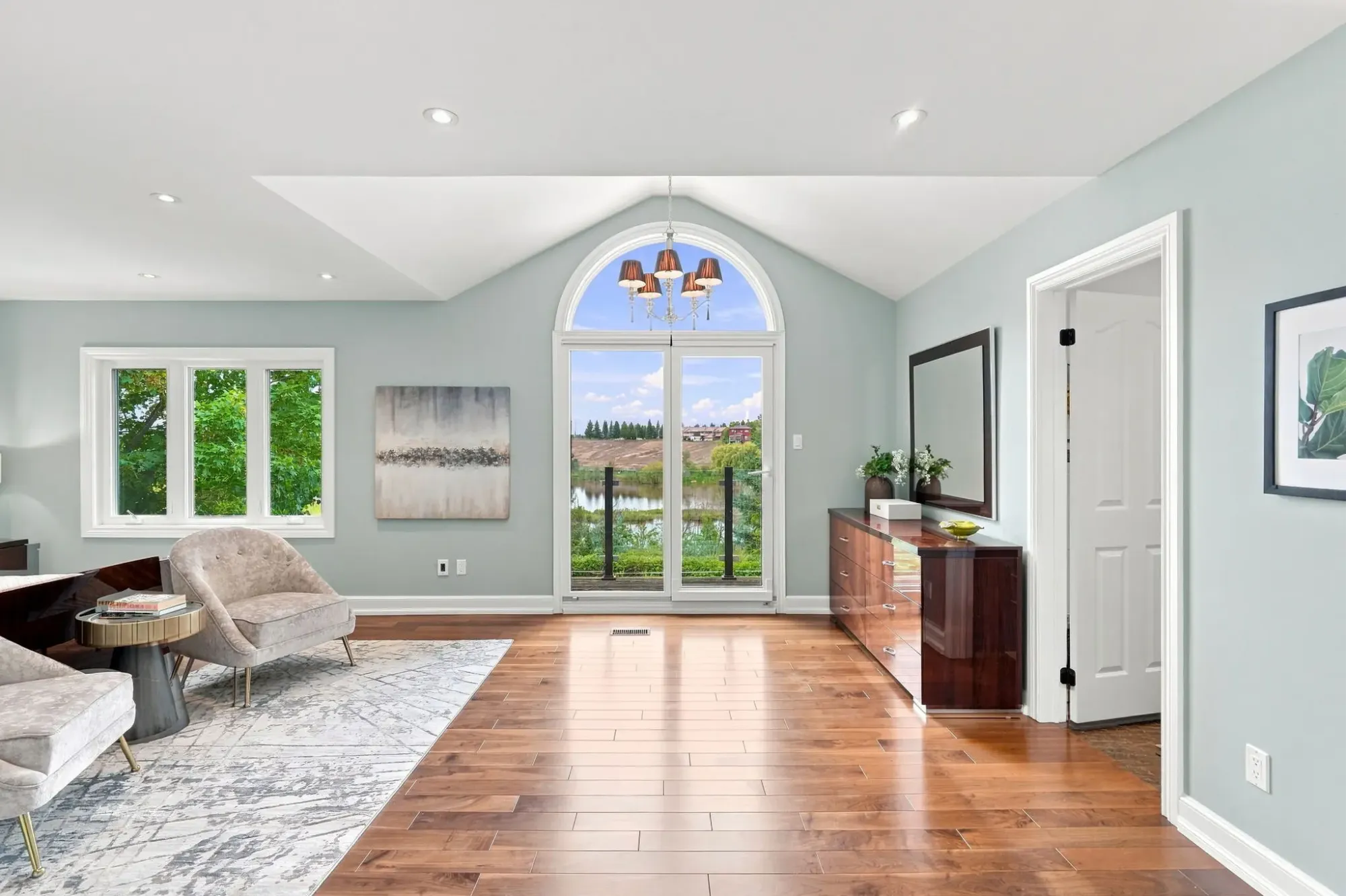
One of the first things I encourage homeowners to think about is how they use the different levels of their property.
Many larger homes throughout Newmarket Ontario and Aurora have beautiful second-floor bedroom suites and finished lower levels. But what happens if stairs become less convenient? Three questions are a good place to start:
- Could a main-floor office become a guest bedroom?
- Is there a full bathroom on the main level?
- Could the layout support more daily activities without frequent trips between floors?
These questions don’t necessarily mean you need to change anything today. They’re about understanding the possibilities.
For homeowners planning a major renovation, an architect or qualified designer may help explore adaptable layouts, accessible entrances and the potential for a future main-floor bedroom suite.
And when purchasing a home, it’s worth looking beyond how a property functions today. Ask yourself how it might support your lifestyle ten or fifteen years from now.
03 · Beautiful and practical
The Bathroom: Where Beautiful Design Meets Practical Comfort
There’s no question that a spectacular bathroom can make a home feel luxurious:
- Beautiful stone
- Custom vanities
- Freestanding tubs
- Walk-in showers
But here’s something worth remembering. A bathroom should be as practical as it is beautiful.
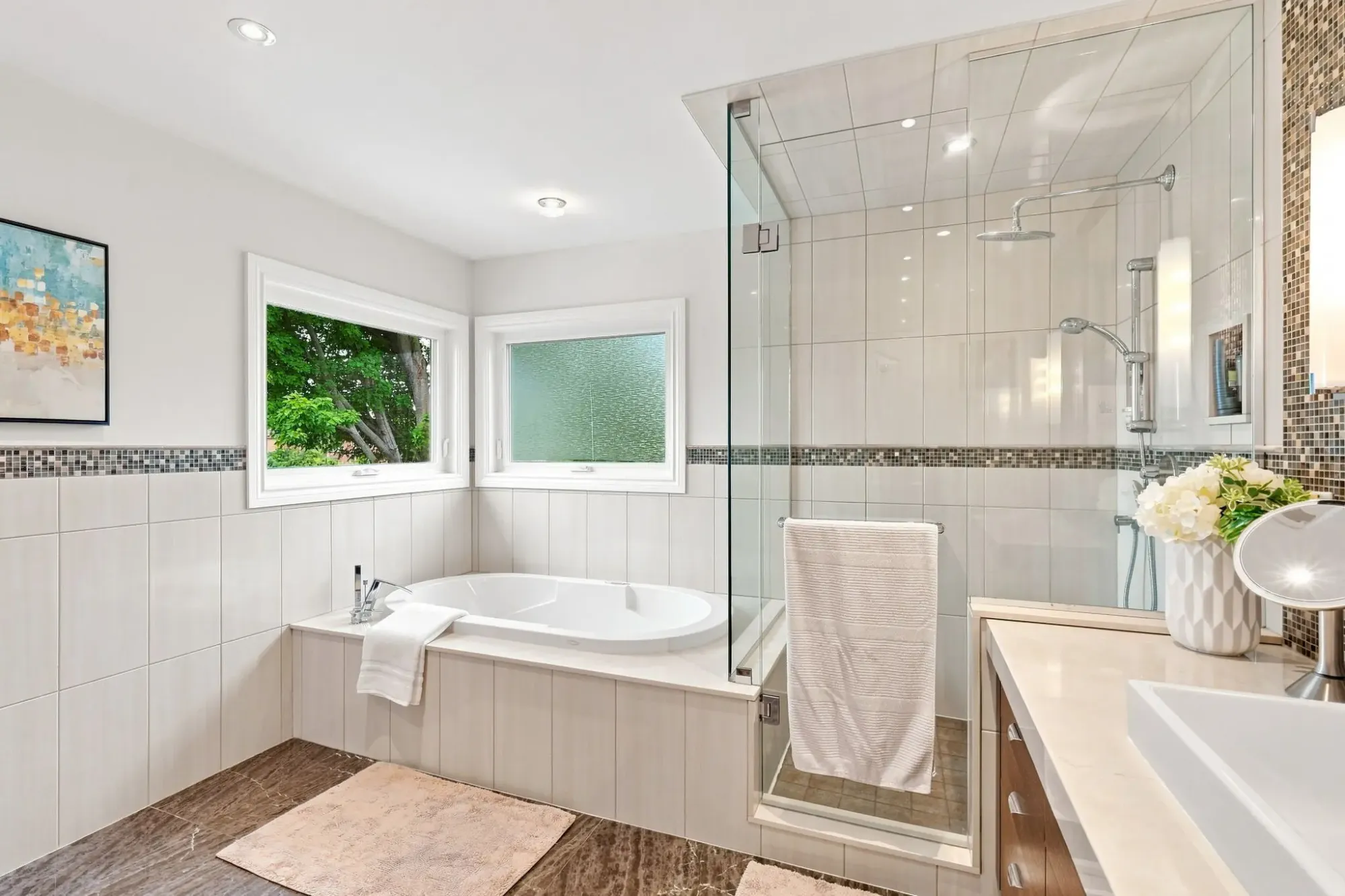
Thoughtful features such as curbless showers, slip-resistant flooring, appropriate lighting and securely installed grab bars can improve accessibility without sacrificing design. Public Health Agency of Canada fall-prevention advice, part of the Safe Living Guide, recommends non-slip surfaces in the tub and shower and well-anchored grab bars beside the toilet and bath.
And these features don’t have to make a space feel institutional. With the right design professional, accessible features can be integrated into beautiful cabinetry, tilework and architectural details.
A home should be designed for the people living in it, not simply for the photograph.
04 · Quiet improvements
The Invisible Details That Make Everyday Living Easier
Sometimes the most thoughtful improvements are the least noticeable.
A beautifully lit staircase isn’t just attractive. It can also make steps easier to see.
Helpful in hallways or along nighttime routes to a bathroom.
May be easier to operate than traditional round knobs.
Make everyday items more accessible.
Reduces the need to reach for heavy objects on high shelves.
None of these features needs to dominate the design. In fact, the most successful solutions often blend naturally into the home.
The Public Health Agency of Canada’s Safe Living Guide notes that the bathroom and stairs are particularly hazardous because of the risk of slipping, tripping and stumbling, and it advises keeping entrances, rooms and hallways well lit. While no home can eliminate every risk, thoughtful planning can make daily routines more comfortable.
05 · The numbers
The Statistics Behind Thoughtful Home Design
Three numbers are worth knowing.
Sources: Statistics Canada (July 1, 2026, preliminary); Public Health Agency of Canada (2022 data, excluding Quebec).
According to the Public Health Agency of Canada’s most recent national figures (2022 data, excluding Quebec), falls account for 89% of injury-related hospitalizations among older adults. The agency also reports that approximately 34% of fall-related hospitalizations involve hip fractures.
These are national figures, not statistics specific to Newmarket Ontario or luxury properties. But they help explain why safety and accessibility are important parts of long-term home planning.
I don’t share those numbers to create fear. Quite the opposite. I believe information helps us make thoughtful decisions before those decisions become urgent. That might mean reviewing stairs and railings, adding lighting, choosing appropriate flooring, or having a qualified professional assess whether certain rooms could be adapted for changing needs.
06 · The Invisible Staff
The Professionals Behind a Future-Ready Home
Throughout this Invisible Staff series, we’ve explored the people who help make beautiful homes easier to live in. Future-ready design involves another valuable group of specialists.
Integrate accessible features into existing spaces.
Assess how a person’s needs relate to the home.
Evaluate the feasibility of renovations.
Compare adapting your home with moving.
These are different areas of expertise, and they work best when everyone understands the homeowner’s priorities.
The most important question isn’t, “What renovation should we do?” It’s, “What kind of life do we want this home to support?”
07 · Your next chapter
Renovate, Right-Size or Stay?
This is a conversation I believe more families should feel comfortable having. Maybe you love your home but no longer need all the bedrooms. Perhaps maintaining the landscaping feels more demanding. Or maybe you’re enjoying the property more than ever and simply want to make a few thoughtful improvements.
There isn’t one right answer for everyone. Here are three paths Newmarket Ontario homeowners commonly consider.
Often makes sense when
You love the home and the layout could adapt.
What it can look like
Main-floor suite, accessible entrance, redesigned bathroom.
Who can help
Architect, designer, qualified contractor.
Often makes sense when
You no longer need all the space, or upkeep feels demanding.
What it can look like
A beautifully designed bungalow, condominium or more manageable home.
Who can help
Real estate professional.
Often makes sense when
You’re enjoying the property more than ever.
What it can look like
A few thoughtful improvements to lighting, handles and storage.
Who can help
Designer; occupational therapist for specific needs.
I think it’s important to look at the full picture:
- Your lifestyle
- Your family
- Your budget
- Your future plans
- The emotional connection you have with the property
Because moving is rarely just a financial decision. It’s personal.
Newmarket Ontario & Aurora
What This Means for Living in Newmarket Ontario and Aurora
One of the things I love about our established communities is the sense of belonging that develops over time: the neighbours you know, the familiar streets, the memories created in a home, and the routines that make a community feel like yours.
That’s why I believe discussions about aging in place should begin with possibilities rather than limitations. Sometimes the right renovation is enough. Sometimes a different home offers more freedom. But either way, having a plan gives homeowners greater confidence in their choices.
At the end of the day, I don’t believe luxury is simply about the size of a property or the finishes inside it. It’s about how a home supports the life you want to live: the freedom to entertain, to welcome family, to move comfortably through your spaces, to enjoy familiar surroundings, and to make decisions about your future on your own terms.
The greatest luxury isn’t necessarily having a home you can grow into. It’s having a home that continues to grow with you.
Grace Simon
FAQ
Frequently Asked Questions About Aging in Place
What does aging in place mean?
Aging in place means creating a home environment that supports comfortable and independent living as your needs evolve. In a luxury home, that often means thoughtful design rather than anything that looks clinical.
Do I have to move to age in place in Newmarket Ontario?
No. Some homeowners adapt their existing property, some right-size to a bungalow, condominium or more manageable home, and some stay as they are with a few improvements. The right choice depends on your lifestyle, family, budget and plans.
What makes a luxury home future-ready?
Common features include a main-floor bedroom and bathroom option, curbless showers, slip-resistant flooring, good lighting, lever-style handles, pull-out drawers and well-planned storage.
Who should I speak with before renovating?
Architects and interior designers can integrate accessible features, occupational therapists can assess personal needs, and qualified contractors can evaluate feasibility. A real estate professional can help compare adapting your home with moving.
References
Sources and Further Reading
- Statistics Canada: Annual demographic estimates (July 1, 2026; preliminary)
- Public Health Agency of Canada: Falls among older adults in Canada, data blog
- Public Health Agency of Canada: The Safe Living Guide, a guide to home safety for seniors
- Government of Canada: Thinking About Aging in Place (PDF)
About Grace Simon
REALTOR® · New Doors Group · eXp Realty, Brokerage · eXp Luxury
Grace helps luxury buyers and sellers across Newmarket Ontario, Stonehaven, Aurora and York Region make confident, informed real estate decisions.
Newmarket Ontario · Aurora · York Region
Stay, Renovate or Right-Size?
If you’re beginning to think about your next chapter, whether staying, renovating, right-sizing or exploring a new property in Newmarket Ontario, Aurora or York Region, I would love to help you understand your options.
Book a Private Market Update Conversation
Call 905-953-6926 · grace@gracesimon.ca
This article is general information, not professional advice. Consult a qualified architect, designer, occupational therapist or contractor for your specific property and needs.
Not intended to solicit parties already under representation.
Categories
- All Blogs (75)
- Community & Events (8)
- Community & Lifestyle (22)
- East Gwillimbury (1)
- Family Real Estate Planning (4)
- Featured Luxury Homes (1)
- Luxury Living (6)
- Luxury Real Estate (3)
- Market Update (6)
- Newmarket Community & Lifestyle (1)
- Newmarket Ontario (3)
- Newmarket Real Estate (29)
- Renovations (1)
Recent Posts