The Invisible Luxury of Light: Why Beautiful Homes in Newmarket Ontario Feel Different After Dark
The Invisible Staff Series · Blog 16 · Luxury Home Design
The Invisible Luxury of Light
Why beautiful homes in Newmarket Ontario feel different after dark
You can spend thousands on beautiful finishes. But if the lighting is wrong, your home may never look or feel the way you imagined.
- Newmarket Ontario
- Stonehaven
- Aurora Estates
- York Region

Quick answer
What makes luxury home lighting feel different? It’s layered. Natural Resources Canada describes four layers of home lighting: ambient, task, accent and decorative. A beautiful chandelier usually supplies only one of them. Combine the layers, keep colour temperature consistent within each room, compare bulbs by lumens rather than watts, and make sure stairs, hallways and entrances are well lit.
Key takeaways
- A statement chandelier is decorative lighting. On its own, it isn’t a complete lighting plan.
- Colour temperature, measured in Kelvin, changes how stone, wood and cabinetry look. Mixing warm and cool bulbs in one room can make it feel disconnected.
- Lighting is about 3.5% of the energy used in an average Canadian home, and ENERGY STAR certified bulbs can use up to 90% less energy than incandescents.
- Well-lit stairs, hallways and entrances make everyday life safer for every age.
- Plan lighting before cabinetry and walls are finished. It’s far easier than changing it later.
Have you ever walked into a beautiful home in the evening and immediately felt something special?
Maybe it was the soft lighting surrounding a fireplace. The warm glow coming from a kitchen. Or the way a beautiful staircase seemed to become an architectural feature of its own.
You might not have noticed the lighting fixtures themselves. But you certainly noticed how the home made you feel.
I find that fascinating.
We spend so much time choosing beautiful countertops, custom cabinetry, hardwood flooring and architectural finishes. Yet one of the most important elements influencing how those details look is something homeowners sometimes leave until the very end: lighting.
For homeowners throughout Stonehaven in Newmarket Ontario, Aurora Estates and York Region, understanding lighting design can make a remarkable difference in how a home looks, functions and feels.
You can invest in the most beautiful materials, but without thoughtful lighting, you may never fully appreciate what makes them special.
01 · Layered lighting
Why One Beautiful Chandelier Isn’t Enough
I love a statement chandelier. A beautifully selected fixture above a dining table or in a grand entrance can give a home wonderful character.
But here’s what many homeowners don’t realize: a chandelier alone doesn’t create a complete lighting plan. Natural Resources Canada’s Home Lighting Design Guide describes four primary layers of residential lighting.
The overall illumination that lets you move comfortably through a room.
Focused light for preparing meals, reading or applying makeup.
Highlights artwork, architectural details and beautiful materials.
Chandeliers and statement pendants that add character of their own.
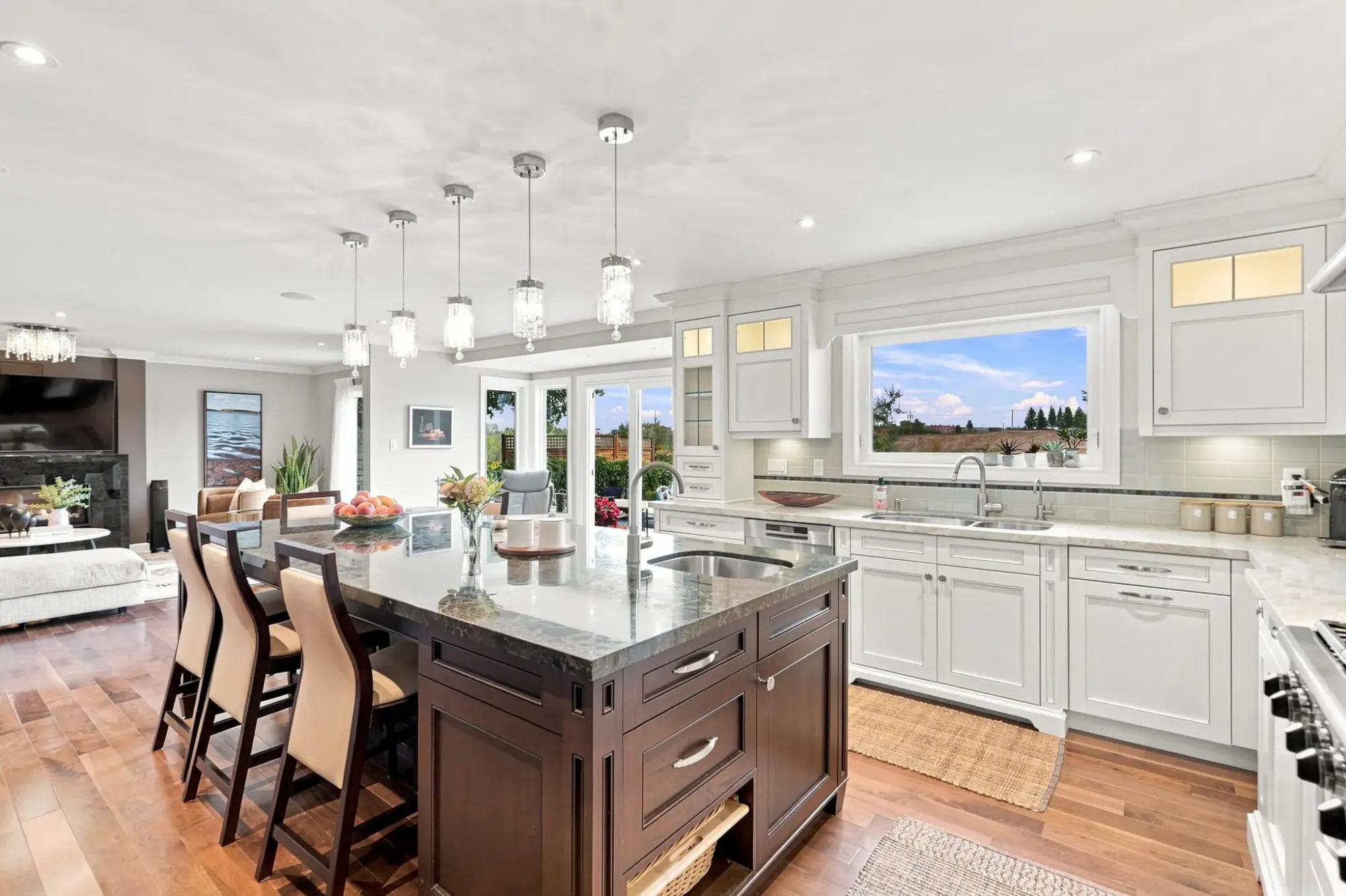
The real beauty comes when these layers work together. Think about a luxury kitchen. Pendant lights may look wonderful above the island, but under-cabinet lighting makes preparing dinner easier. Recessed ceiling lights provide general illumination, while carefully positioned accent lights can highlight beautiful cabinetry.
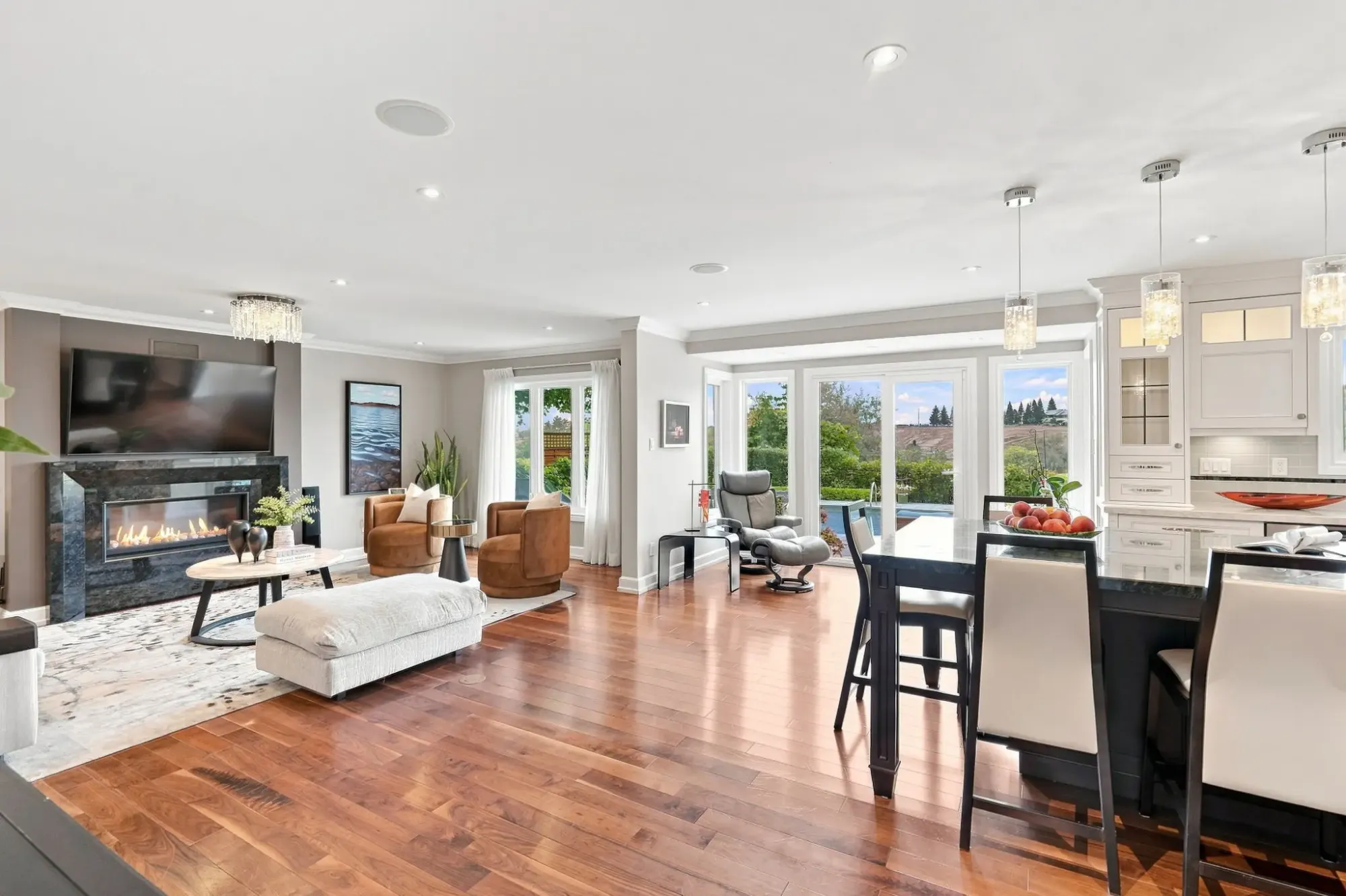
Each element has a purpose. Together, they create a space that feels both elegant and practical.
02 · The hidden detail
Colour Temperature Changes Everything
Not all white light looks the same. Some lighting feels warm and inviting. Other lighting appears cooler, brighter or more clinical. The difference is often colour temperature, which is measured in Kelvin.
Natural Resources Canada’s ENERGY STAR lighting guide shows the scale: lower Kelvin values produce warmer, more yellowish light, while higher values look cooler.
Living rooms, bedrooms
Kitchens, work areas
Garages, utility spaces
For example, 2700K lighting often creates a warm residential atmosphere, while 4000K produces a cooler, more neutral appearance. Neither is automatically better. It depends on the room, the activity and the overall design.
When different fixtures share the same space, consistency matters. A beautiful kitchen can look surprisingly disconnected when some lights appear yellow and others appear noticeably blue.
Homeowner tip · Lumens, not watts
Watts measure how much energy a bulb uses. Lumens measure how much light it produces. When choosing brightness, compare lumens.
Don’t choose lighting based only on how the fixture looks. Consider the quality of the light it produces.
03 · Beautiful materials
Lighting Makes Beautiful Materials Come Alive
One of the things I love about luxury homes is the attention given to materials:
- Natural stone
- Hardwood floors
- Custom cabinetry
- Architectural millwork
- Selected artwork
Lighting dramatically influences how those features are perceived. A textured stone wall becomes more interesting when lit from the right angle. A beautiful piece of art may deserve its own carefully positioned light. And cabinetry can appear warmer or cooler depending on the light around it.
In established homes throughout Newmarket Ontario and Aurora, where architectural details often define a property’s character, these choices deserve consideration.
However, more lighting isn’t always better. Too many recessed fixtures can create glare or make a room feel overly bright. A qualified lighting designer can help balance illumination, shadow, visual comfort and energy efficiency.
Sometimes the goal isn’t to add more light. It’s to place it more thoughtfully.
04 · The numbers
The Energy Statistics Behind Modern Lighting
Here’s where design and efficiency meet. Three numbers are worth knowing.
The Invisible Staff Series · Blog 16
Luxury Home Lighting Facts
Three key numbers and the four layers of a well-lit home
The four layers of a well-lit home
The real luxury is how your home feels.
Source: Natural Resources Canada. National averages and bulb-level comparisons, not guaranteed savings for any specific home. · Grace Simon | eXp Luxury
According to Natural Resources Canada, lighting accounted for about 3.5% of the energy used in the average Canadian home, based on 2019 residential energy data, even as the number of fixtures in homes has grown. The department also reports that ENERGY STAR certified bulbs can use up to 90% less energy than traditional incandescent bulbs, and that certified LED bulbs last at least 15 times longer.
Those are product comparisons, not guaranteed savings for every home. Actual results depend on the equipment, installation and usage. But in a larger home with many fixtures, choosing efficient products during a renovation is a sensible long-term decision.
True luxury doesn’t require unnecessary waste.
05 · Everyday safety
The Safety Benefit Homeowners Sometimes Overlook
There’s another important dimension to lighting: safety. The Public Health Agency of Canada’s Safe Living Guide recommends keeping entrances, rooms, hallways and stairs well lit to help reduce everyday hazards. That advice makes sense for households of all ages.
- Walking down a staircase at night
- Navigating a dark hallway to the bathroom
- Approaching the front entrance on an Ontario winter evening
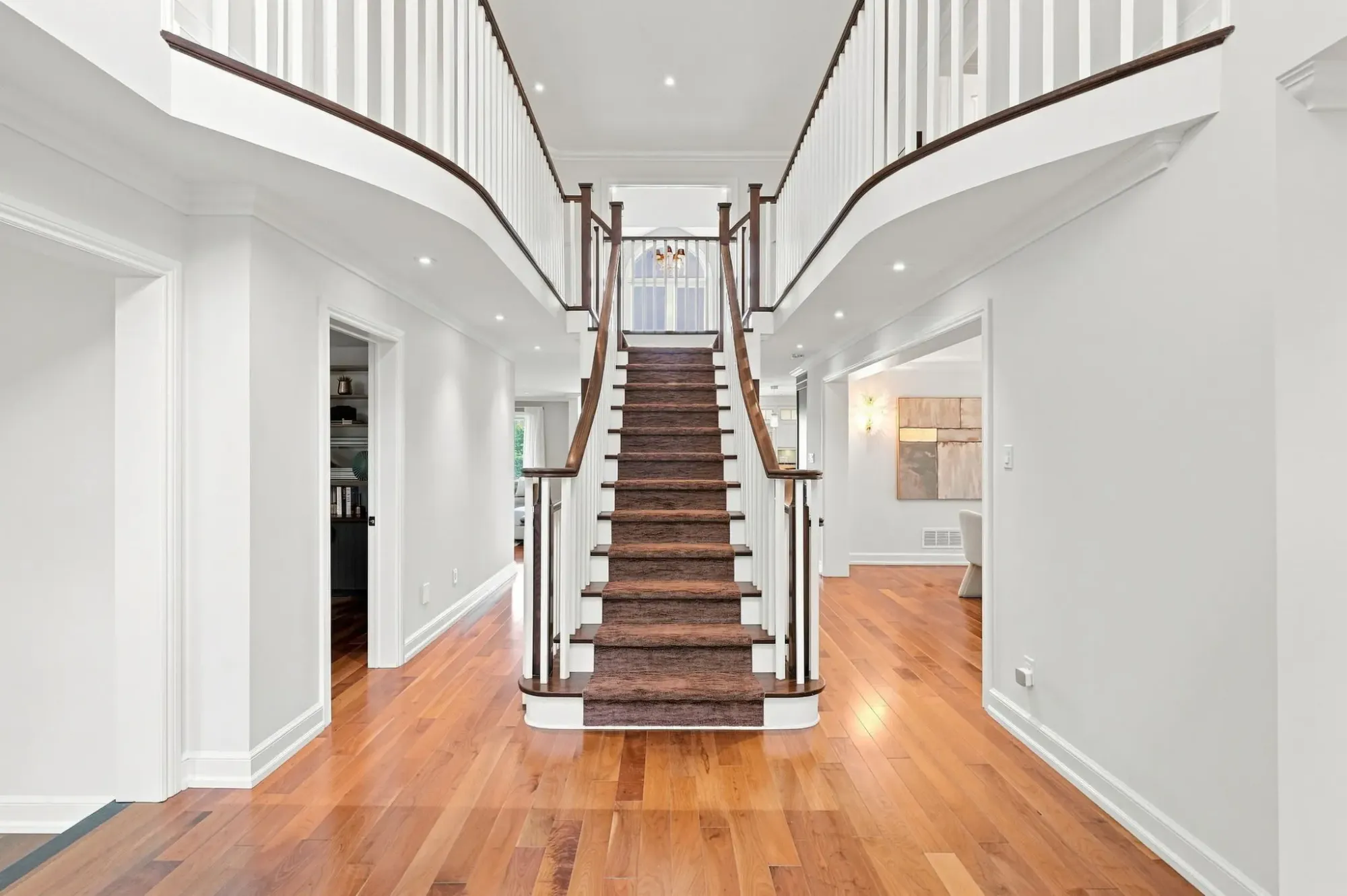
Thoughtfully positioned lighting makes steps, changes in floor level and obstacles easier to see. Motion-activated night lighting can also help in selected areas. These aren’t dramatic upgrades, but they make daily life more comfortable.
For homeowners planning to stay in their homes for many years, good lighting is an important part of future-ready design.
06 · The Invisible Staff
The Professionals Behind a Beautifully Lit Home
Throughout The Invisible Staff series, I’ve been exploring the people who quietly help beautiful properties function well. Lighting brings another group of professionals into that conversation.
Create a cohesive plan across every layer of light.
Coordinate fixtures with the overall aesthetic.
Assess installation requirements and complete electrical work.
Integrate dimmers, scenes and lighting controls where appropriate.
For a significant renovation, involving the right professionals early can prevent expensive changes later. Deciding where artwork will be lit or where under-cabinet lighting belongs is much easier before cabinetry and walls are finished.
A thoughtful plan also makes the home simpler to operate, with intuitive dimmers, clearly arranged switches and practical lighting scenes.
The objective isn’t to fill a home with technology. It’s to make beautiful spaces easier to enjoy.
07 · Buying and selling
What Luxury Buyers and Sellers Should Know
Lighting deserves attention when you’re buying or selling a property.
Look beyond the fixtures
How does each room feel after dark? Is there enough light for everyday activities?
Check the essentials
Are staircases and entrances properly lit, and are the controls easy to understand?
Before photos and showings
Match bulb colour temperatures, replace failed bulbs and confirm every fixture works.
The result
Rooms appear more cohesive and buyers see the home accurately and comfortably.
One honest note: lighting upgrades don’t automatically increase a property’s market value. The benefit depends on the property, the installation, buyer preferences and the broader market. The goal is to help people appreciate the home as it truly is.
08 · Newmarket Ontario & Aurora
What This Means for Living in Newmarket Ontario and Aurora
One of the things I appreciate about beautiful homes is how they feel different throughout the day. Bright and energetic in the morning. Welcoming in the afternoon. Warm and intimate in the evening.
Thoughtful lighting allows those experiences to coexist. It supports family life, entertaining, quiet evenings and everyday routines without compromising the character of the home. And in November, when the sun sets earlier across York Region, we notice it more than ever.
Sometimes the most meaningful improvement isn’t another renovation. It’s finally allowing the beautiful features you already have to shine.
At the end of the day, I believe luxury is about more than beautiful finishes and impressive spaces. It’s about creating a home that welcomes you, where thoughtful details make a difference and where beauty and function work together.
The real luxury isn’t how much light you have. It’s how beautifully your home works with it.
Grace Simon
FAQ
Frequently Asked Questions About Luxury Home Lighting
What are the four layers of home lighting?
Natural Resources Canada describes four primary layers: ambient lighting for overall illumination, task lighting for activities like cooking and reading, accent lighting for art and architecture, and decorative lighting such as chandeliers and statement pendants.
What colour temperature is best for a luxury home?
There’s no single answer. Around 2700K creates a warm residential atmosphere for living rooms and bedrooms, while around 4000K looks cooler and more neutral, which some homeowners prefer in kitchens and work areas. The most important thing is consistency within each room.
Should I compare light bulbs by watts or lumens?
Compare lumens. Watts measure the energy a bulb uses, while lumens measure the light it produces. Efficient LED bulbs give the same brightness with far fewer watts.
How much energy do ENERGY STAR LED bulbs save?
Natural Resources Canada reports that ENERGY STAR certified bulbs can use up to 90% less energy than traditional incandescent bulbs, and certified LED bulbs last at least 15 times longer. Actual savings depend on your equipment, installation and usage.
Does better lighting increase my home’s value in Newmarket Ontario?
Not automatically. Good lighting helps a home present well in photos and showings, but any effect on value depends on the property, the installation, buyer preferences and the market.
References
Sources and Further Reading
- Natural Resources Canada: ENERGY STAR lighting (lighting’s 3.5% share of home energy use, 2019 data)
- Natural Resources Canada: Lighting infographic (energy savings, lumens and colour temperature)
- Natural Resources Canada: Home Lighting Design Guide Pocket Book (PDF)
- Public Health Agency of Canada: The Safe Living Guide, a guide to home safety for seniors
About Grace Simon
REALTOR® · New Doors Group · eXp Realty, Brokerage · eXp Luxury
Grace helps luxury buyers and sellers across Newmarket Ontario, Stonehaven, Aurora and York Region make confident, informed real estate decisions.
Newmarket Ontario · Aurora · York Region
Buying, Selling or Improving Your Home?
If you’re considering buying, selling or making thoughtful improvements to your property in Newmarket Ontario, Aurora or York Region, I’d love to help you explore your options.
Book a Private Market Update Conversation
Call 905-953-6926 · grace@gracesimon.ca
This article is general information, not professional advice. Consult a qualified lighting designer, interior designer or licensed electrical contractor for your specific property and needs.
Not intended to solicit parties already under representation.
Categories
- All Blogs (76)
- Community & Events (8)
- Community & Lifestyle (23)
- East Gwillimbury (1)
- Family Real Estate Planning (4)
- Featured Luxury Homes (1)
- Luxury Living (6)
- Luxury Real Estate (3)
- Market Update (6)
- Newmarket Community & Lifestyle (1)
- Newmarket Ontario (3)
- Newmarket Real Estate (29)
- Renovations (1)
Recent Posts