The Luxury of Breathing Better: Why Indoor Air Quality Matters in Newmarket Ontario Homes
The Invisible Staff Series · Luxury Home Wellness
The Luxury of Breathing Better: Why Indoor Air Quality Matters in Newmarket Ontario Homes
A beautiful home should feel as good as it looks. Here is how York Region homeowners can think about ventilation, humidity, filtration and radon, the parts of a home we can’t see.
Newmarket OntarioStonehavenAurora EstatesYork Region

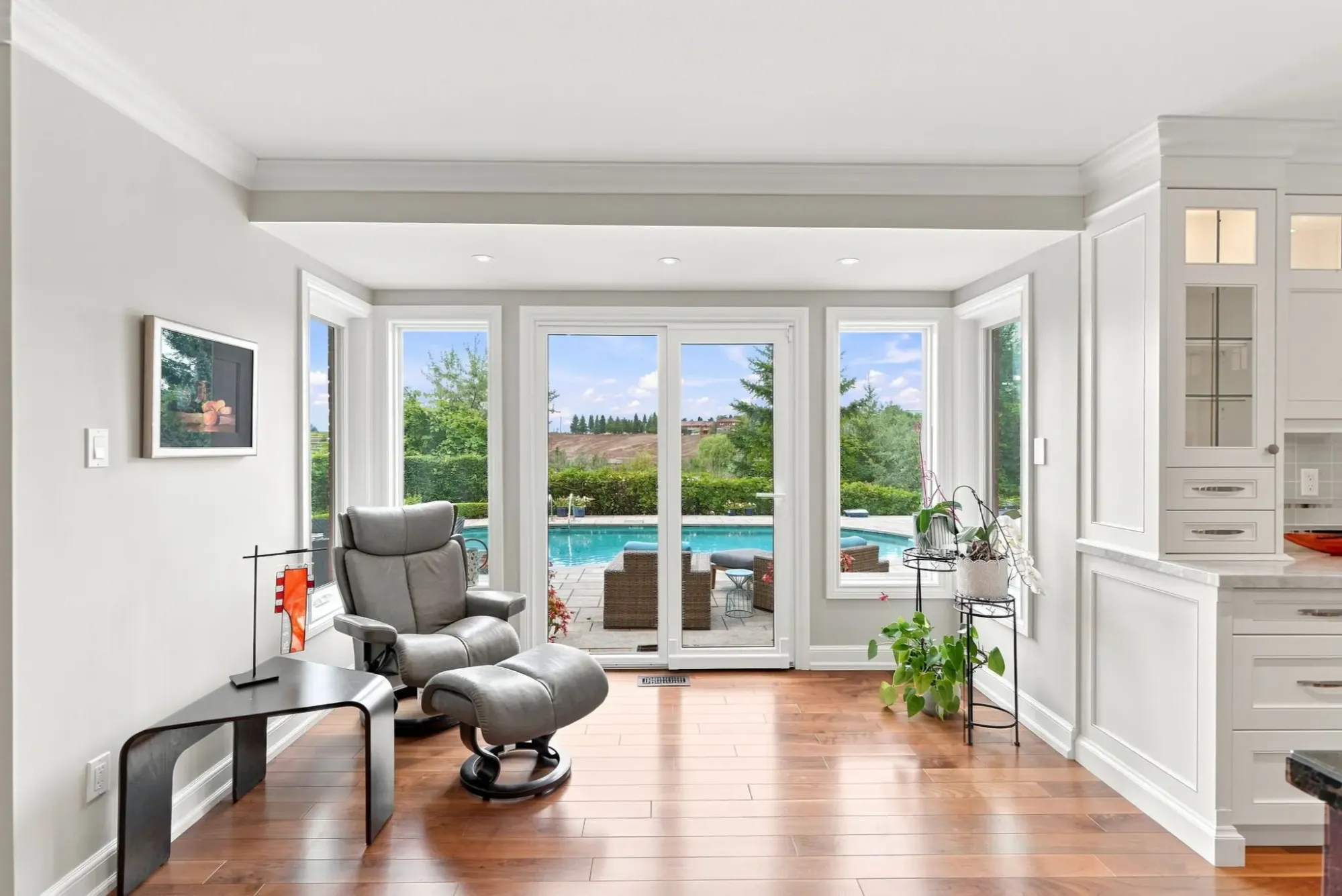
Have you ever walked into a beautiful home and immediately felt comfortable?
The light is lovely. The temperature feels just right. The rooms are fresh and welcoming. There’s a certain ease to being there.
When we talk about luxury homes, we naturally think about beautiful architecture, custom kitchens, expansive windows, hardwood floors and thoughtfully designed living spaces. I appreciate all those details.
But there’s another part of our homes that deserves just as much attention, something we can’t actually see: the air we breathe.
For homeowners throughout Newmarket Ontario, Stonehaven, Aurora Estates and York Region, indoor air quality is an important part of creating a home that feels as good as it looks. And as we spend more time indoors during Ontario’s colder months, it’s a conversation worth having.
01 · Beyond appearances
A Beautiful Home Isn’t Necessarily a Healthy Home
One of the things I find interesting about homeownership is how much attention we give to the things we can see: beautiful flooring, fresh paint, custom cabinetry and carefully chosen furniture.
But what about ventilation? Humidity? Air filtration?
According to Health Canada, indoor air pollutants can come from everyday activities such as cooking, cleaning, heating and using certain household products. Even new furnishings, finishes and building materials can release chemicals into indoor air.
That doesn’t mean we should be afraid of our homes. It means thoughtful maintenance matters. And just because a property is beautifully finished or recently renovated doesn’t automatically mean its indoor air quality has been assessed.
For me, responsible homeownership begins with understanding the systems behind the beauty.
02 · The Invisible Staff
The HVAC Professional: An Important Member of the Invisible Staff
In this series, I’ve been exploring the people who help our homes function beautifully behind the scenes: the landscapers, the cleaning professionals, the maintenance specialists. When it comes to indoor air quality, the heating, ventilation and air conditioning professional is particularly important.
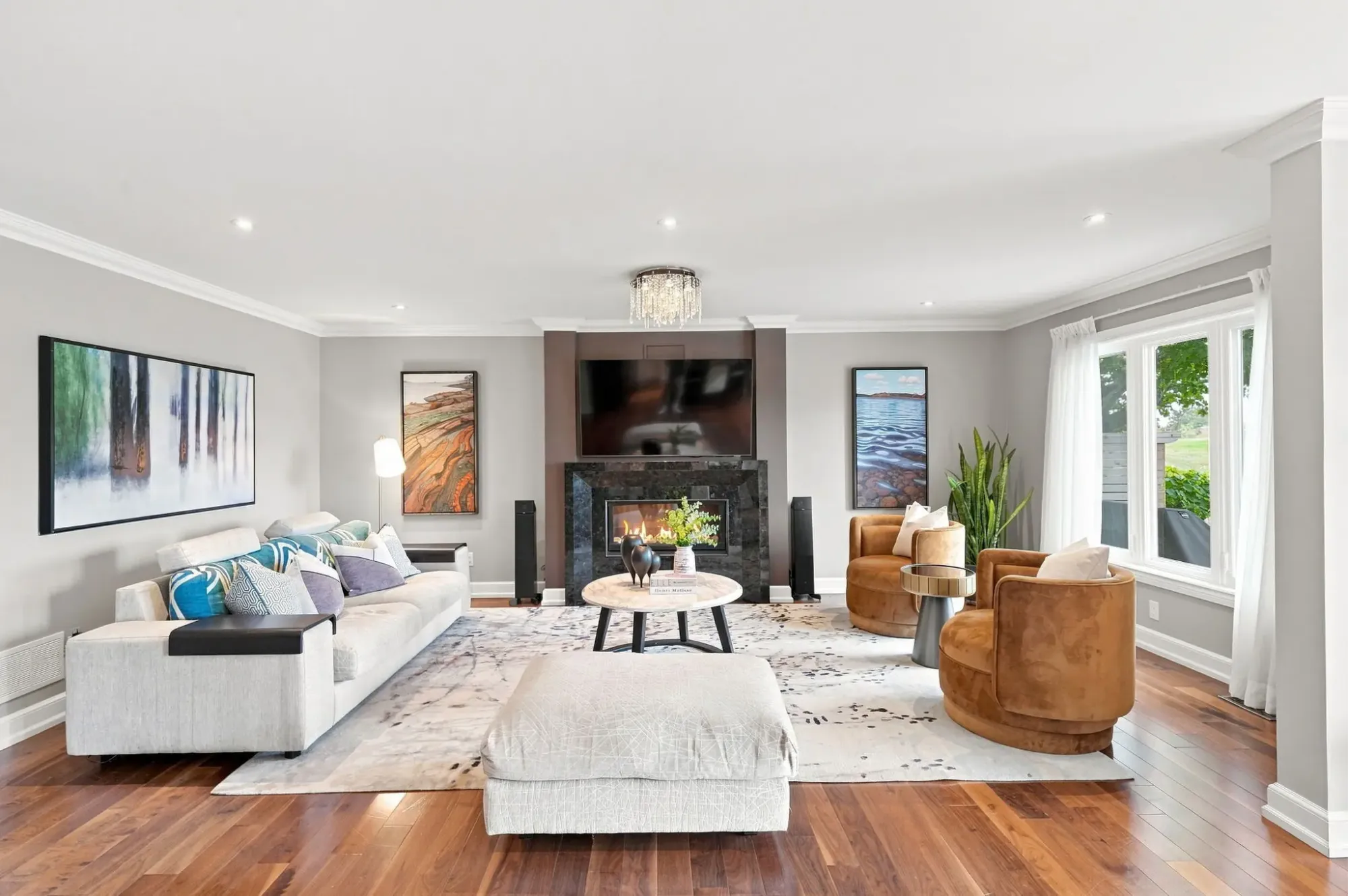
Your HVAC system does more than keep your home warm in January and comfortable in July. Depending on its design, it may also help circulate, ventilate and filter indoor air. But different systems perform different functions.
A furnace filter, for example, primarily captures particles from air passing through the equipment. It doesn’t automatically introduce fresh outdoor air. Proper ventilation requires an appropriate source of outdoor air and a way for stale indoor air to leave.
That’s why I encourage homeowners to have a qualified professional review how their heating and ventilation systems actually work. For larger properties with multiple heating zones, finished basements or extensive living areas, understanding the complete system can be especially valuable.
Sometimes the most meaningful home improvement starts with a professional asking the right questions.
03 · Ontario winters
Humidity: The Balance We Often Overlook
If you’ve lived through an Ontario winter, you know how dry indoor air can feel when the heating is running. But too much indoor moisture can also create problems.
Health Canada notes that during very cold weather, the appropriate humidity level may need to be lower to prevent condensation on windows and other cold surfaces.
That’s an important detail, because humidity isn’t simply about comfort. Excess moisture can contribute to condensation and mould, while very dry conditions can make a home feel uncomfortable.
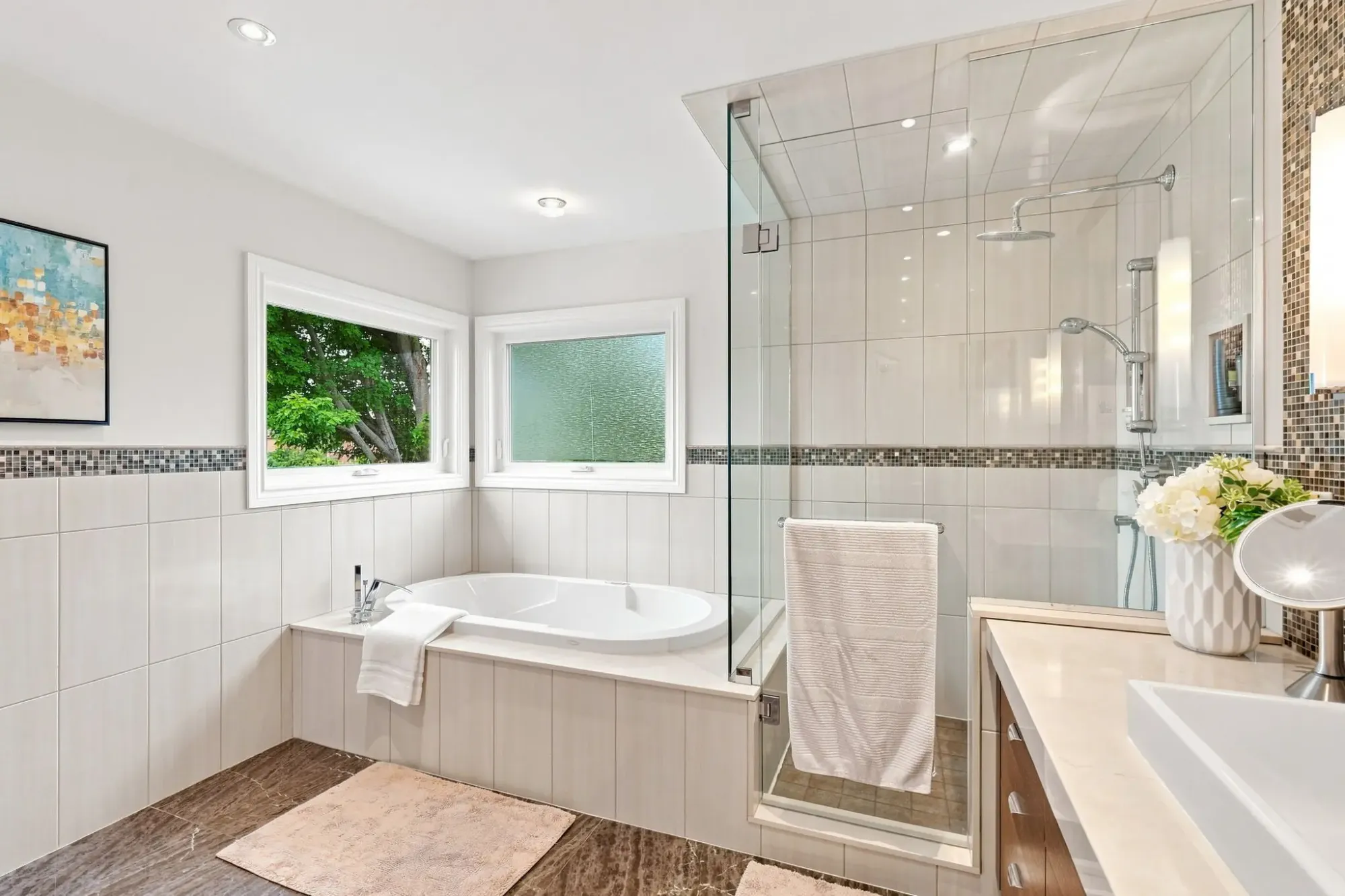
A hygrometer can help homeowners monitor relative humidity. Bathrooms, laundry rooms, basements and other moisture-prone areas also deserve attention. A little awareness before a problem develops can go a long way.
04 · Smart choices
Air Filtration: Do You Really Need an Expensive System?
There’s no shortage of air filtration products available today: portable air purifiers, advanced furnace filters, whole-home filtration systems, and plenty of impressive marketing claims. But the most expensive system isn’t necessarily the best choice for every property.
Health Canada’s guide to choosing a portable air cleaner explains that these devices can help by removing small particles from indoor air. However, filtration works best alongside ventilation and reducing pollutants at their source.
Particles or gases?
Air cleaners don’t all remove the same contaminants. A particle filter designed to capture dust and smoke isn’t necessarily effective at removing gases.
Before investing in equipment, speak with a qualified professional about the size of your home, your existing ventilation system and the particular concerns you’re trying to address. For a large estate home, equipment selection and placement matter.
The goal isn’t to purchase more technology. It’s to choose solutions that genuinely fit the household.
05 · The unseen issue
What About Radon? The Invisible Issue Worth Testing
Here’s one indoor air concern many homeowners haven’t considered. Radon is a naturally occurring radioactive gas that can enter buildings from the ground. You can’t see it, smell it or taste it, and a home’s appearance, age or price doesn’t tell you whether radon levels are elevated.
Health Canada recommends testing homes for radon because testing is the only way to determine the concentration.
This isn’t about creating unnecessary worry. It’s about having reliable information. Whether you’re living in an established home in Stonehaven or purchasing a newer property elsewhere in York Region, radon testing is a sensible consideration.
Some of the most valuable information about a home comes from things that aren’t immediately visible.
06 · Everyday care
Everyday Habits Make a Difference
Not every improvement requires a contractor or new equipment. Sometimes the simplest habits matter most:
- Use the kitchen exhaust fan while cooking.
- Run bathroom ventilation when showering.
- Address plumbing leaks promptly.
- Clean or replace HVAC filters according to the manufacturer’s instructions.
- Choose suitable cleaning products and use them as directed.
- Pay attention when rooms consistently smell musty or feel unusually stuffy.
Health Canada also advises checking outdoor air quality before opening windows for ventilation, particularly during wildfire-smoke events.
I think the key is to approach indoor air quality as part of regular home care rather than another overwhelming project. Small, consistent habits are often easier to maintain than dramatic changes.
At-a-glance guide
Indoor Air Quality Cheat Sheet for Newmarket Ontario Homes
A simple reference for the main factors that shape the air inside a luxury home. Always confirm specifics with a qualified professional, since every property and system is different.
| Factor | Benchmark | Everyday action | When to call a pro |
|---|---|---|---|
| Humidity | 30–50% relative humidity (lower in very cold weather) | Monitor with a hygrometer; use exhaust fans | Persistent condensation, musty smells, visible mould |
| Ventilation | Fresh outdoor air in, stale air out | Use kitchen and bathroom fans | Stuffy rooms or unclear system design |
| Filtration | Matched to your home and concerns | Change filters per manufacturer’s instructions | Choosing whole-home equipment |
| Radon | Canadian guideline: 200 Bq/m³ | Test the home; retest as advised | Results above the guideline |
07 · Buying and selling
What Luxury Buyers and Sellers Should Know
There’s another reason this conversation matters in real estate. When purchasing a home, buyers naturally focus on layout, finishes, location and lifestyle. But understanding the property’s mechanical systems is also important.
A qualified home inspector or appropriate specialist can help evaluate specific issues. Before purchasing, consider asking:
- What heating and ventilation equipment does the home have?
- Are there maintenance and servicing records?
- Have there been moisture or water concerns?
- Has the home been tested for radon?
- When were filters and key equipment last serviced?
- Which professionals are familiar with the installation?
For sellers, keeping accurate records of equipment servicing, filter changes, repairs and upgrades can help answer buyer questions. That documentation doesn’t guarantee a higher selling price, but it supports informed conversations about how the property has been maintained.
Newmarket Ontario & Aurora
What This Means for Living in Newmarket Ontario and Aurora
One of the things I love about our communities is the quality of life families can enjoy here: beautiful neighbourhoods, established trees, wonderful homes, and spaces where families create meaningful memories.
But I believe luxury living is about more than the features that first catch our attention. It’s also about comfort, thoughtful care and understanding how our homes support everyday life.
The professionals who maintain ventilation systems, address moisture concerns and help improve indoor air quality may never be noticed when guests arrive. But their work matters. They’re another part of the invisible staff behind a well-cared-for home.
The greatest luxury isn’t always what makes a home look extraordinary. Sometimes it’s the care that makes everyday living better.
Grace Simon
FAQ
Frequently Asked Questions About Indoor Air Quality
What humidity level is best for indoor air quality in Ontario?
Health Canada generally recommends 30–50% indoor relative humidity. During very cold weather, a lower level may be needed to prevent condensation on windows and other cold surfaces.
Does a furnace filter bring fresh air into my home?
No. A furnace filter primarily captures particles from air passing through the equipment. Proper ventilation requires a source of outdoor air and a way for stale indoor air to leave.
Do I need a whole-home air purifier?
Not necessarily. Filtration works best alongside ventilation and source control, and different air cleaners remove different contaminants. Speak with a qualified professional about your home’s size and your specific concerns.
Should I test my Newmarket Ontario home for radon?
Health Canada recommends radon testing because it is the only way to know the concentration. The Canadian guideline is 200 Bq/m³, and results above that level call for action with a qualified radon mitigation professional.
What should buyers ask about air quality in a luxury home?
Ask about heating and ventilation equipment, maintenance records, moisture concerns and radon testing, and consider a qualified home inspector or specialist for specific issues.
References
Sources and Further Reading
Categories
- All Blogs (74)
- Community & Events (8)
- Community & Lifestyle (21)
- East Gwillimbury (1)
- Family Real Estate Planning (4)
- Featured Luxury Homes (1)
- Luxury Living (6)
- Luxury Real Estate (3)
- Market Update (6)
- Newmarket Community & Lifestyle (1)
- Newmarket Ontario (3)
- Newmarket Real Estate (29)
- Renovations (1)
Recent Posts